| Faculty | |
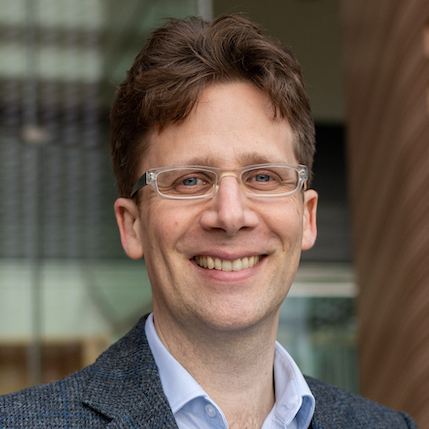 |
Tom Griffiths, Lab Director (webpage) |
| Postdocs | |
 |
Tiwa Eisape (webpage) I'm a Presidential Postdoctoral Research Fellow in Computer Science and Psychology at Princeton, working with Tom Griffiths and Adele Goldberg. My research develops computational models of language and human language use, primarily through building and reverse-engineering large language models. Before Princeton, I was an NSF Graduate Research Fellow in the Department of Brain and Cognitive Sciences and the Computer Science and Artificial Intelligence Lab (CSAIL) at MIT. I also spent time with Google Research, the Fundamental AI Research team (FAIR) at Meta, and served on the board of the Cognitive Science Society as its graduate student representative. |
 |
Akshay Jagadish (webpage) What are the fundamental building blocks of human and machine intelligence? To answer this question, my research takes two complementary directions: building scalable, sub-symbolic models of cognition in humans (and machines) following frameworks such as meta-learning, reinforcement learning, ecological adaptation, and resource-rationality; and developing AI-driven methods to uncover symbolic programs that explain human (and machine) behavior along with the internal representations that guide them. Before moving to Princeton, I spent six wonderful years in Tübingen, Germany, where I completed a Ph.D. in Computer Science and an M.Sc. in Computational Neuroscience, working closely with Eric Schulz and Marcel Binz. |
 |
Ionatan Kuperwajs (website) I’m interested in understanding how people make decisions and plan sequences of actions in complex environments. Despite the ubiquity of sequential decision-making in naturalistic behavior, the study of the cognitive mechanisms underlying such decisions has been primarily limited to relatively simple tasks. Meanwhile, artificial intelligence has developed powerful algorithms to solve a wide array of problems in large state spaces. In my research, I aim to bridge this gap by applying computational methods to and building process-level models of human behavior in tasks where evaluating every possible course of action is intractable. I’ve approached this problem by leveraging massive online data sets of participants playing combinatorial games. |
 |
Ella Qiawen Liu (website) My research explores how human and artificial minds flexibly draw similarities between seemingly unrelated concepts and make analogical inferences. I’m particularly interested in how language influences our perception and formation of similarities, the evolution of word meanings, and the role of cross-domain mappings in shaping how we think, judge, communicate, and innovate. I combine empirical methods with computational modeling to investigate these questions. |
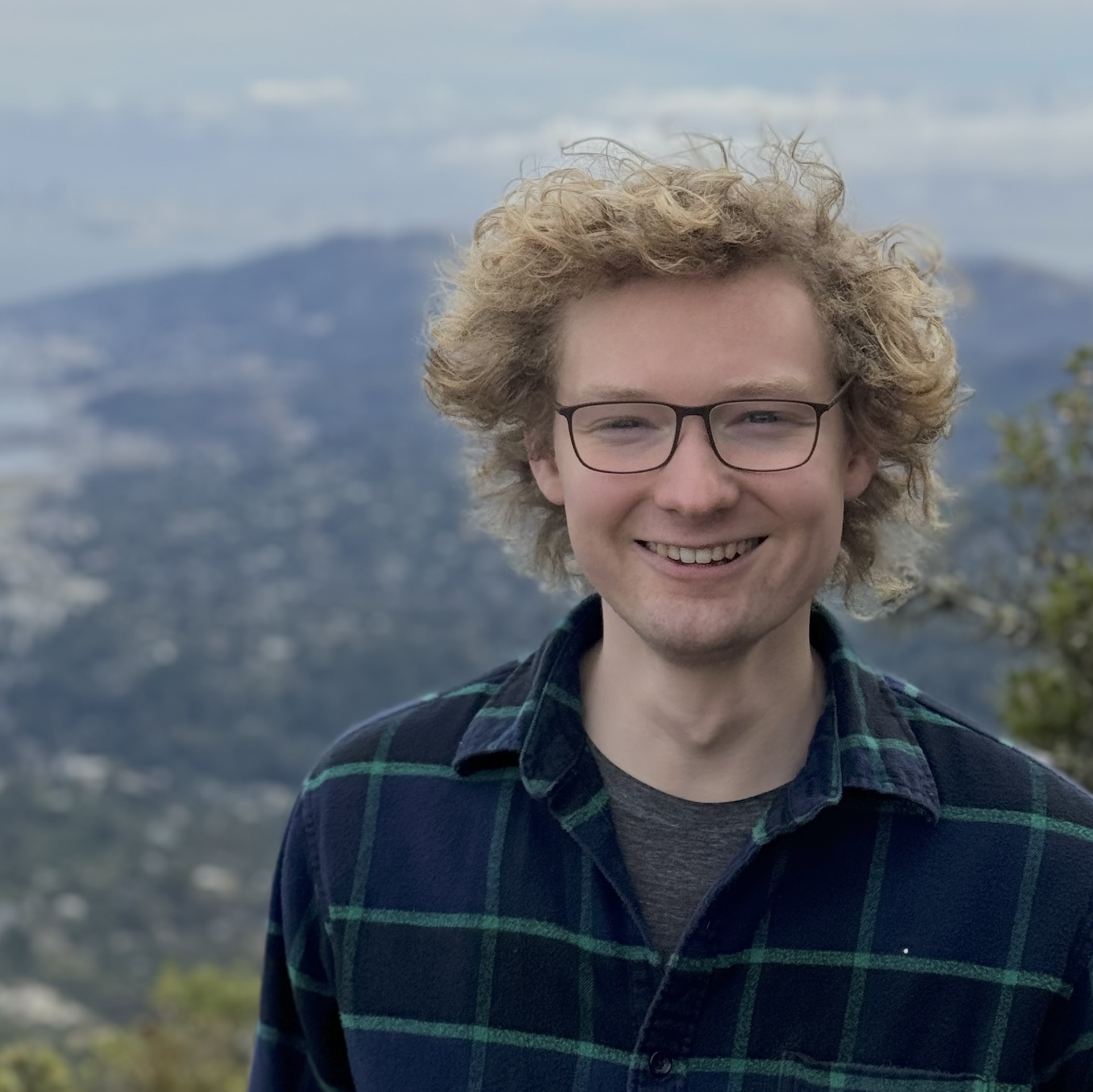 |
Ben Prystawski (website) I am interested in collective intelligence and human-AI collaboration. What cognitive abilities have enabled humans to work together and build complex culture? How do humans work together with AI systems, and how should they? I study these questions using computational models of cognition and human experiments. Before starting at Princeton, I did my PhD in the Department of Psychology at Stanford, where I studied reasoning and cultural evolution. |
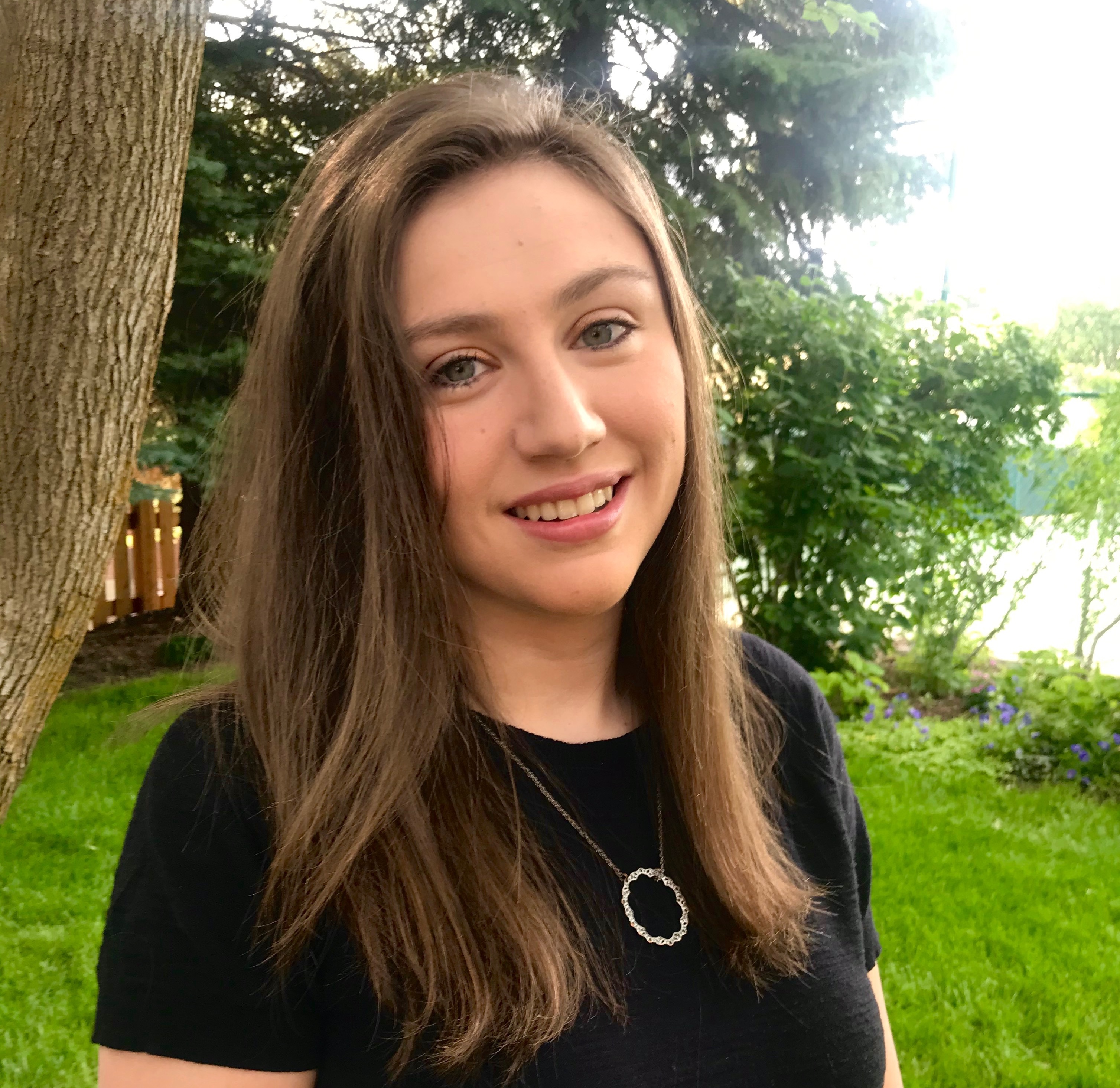 |
Lauren Treiman (website) I am a Postdoctoral Research Fellow in the AI Lab at Princeton. My research takes an interdisciplinary approach, drawing on psychology and computer science, to understand the bidirectional relationship between human behavior and AI. I am particularly interested in how cognitive biases shape human-AI interactions, including how people train, collaborate with, and delegate tasks to AI. In my research, I use computational modeling and behavioral experiments to investigate the mechanisms underlying these biases and how they manifest in human-AI interactions across domains such as risky choice and economic bargaining games. Before joining Princeton, I received my Ph.D. in Computational & Data Sciences from Washington University in St. Louis. |
 |
Cameron Turner (website) I am interested in the evolution of cognition. For animals to make successful decisions they must use information from the environment; including using information to learn. For instance, if a dove wants to avoid hawks adaptively they should both learn what a hawk looks like, and detect cues indicating if a hawk is present. I believe much about cognitive evolution can be understood by thinking about the quality and outcomes of using information. I also have a particular interest in social learning, which results from using information from others. I employ mathematical models to study how selection affects cognition, I also conduct empirical research to study how learning operates. I am part of the Diverse Intelligences project that aims at discovering why animals differ in intelligence. |
| Graduate Students | |
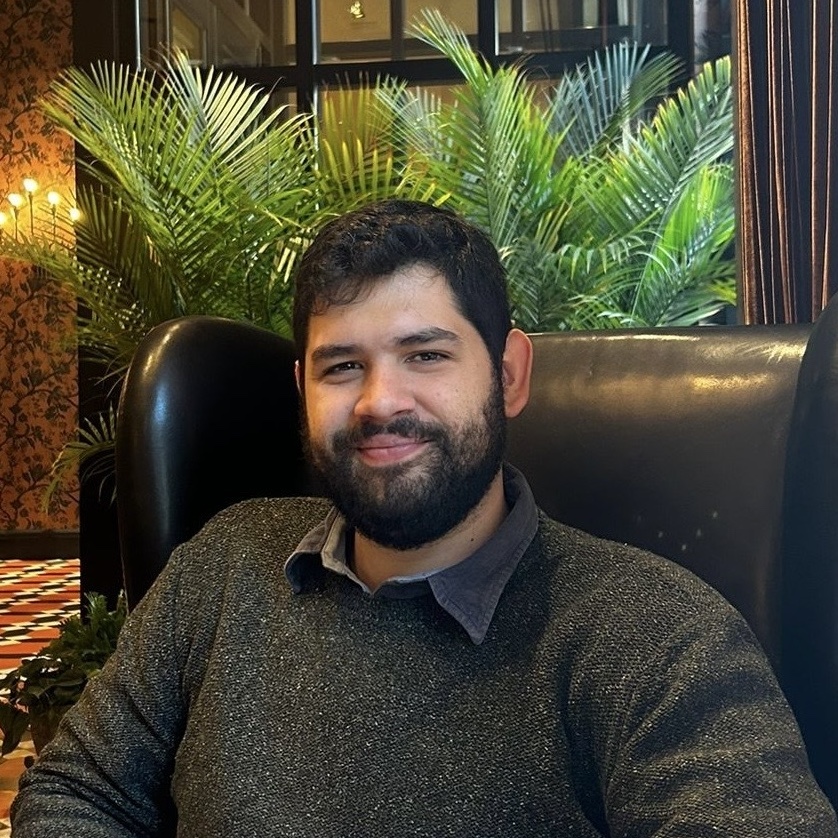 |
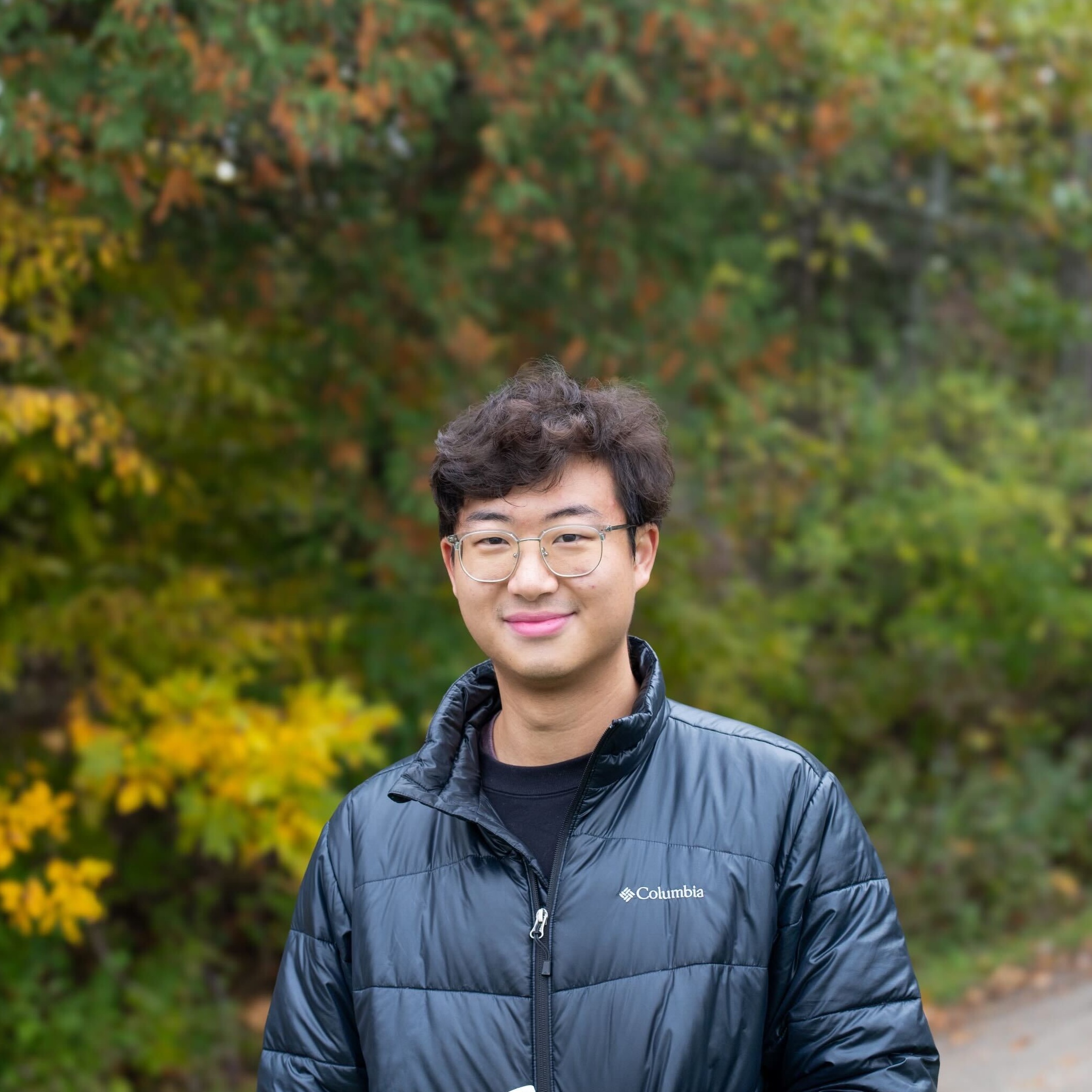
Daniel Lima Braga Daniel Lima Braga is a second-year master’s student in computer science at Princeton University. He earned his undergraduate degree in computer science from Princeton in 2020 and worked as a software engineer at Bloomberg L.P. from 2020 to 2025. His research interests are in AI for science, including guiding large language models to help scientists accelerate discovery and designing new AI architectures that incorporate geometric invariance, physical constraints, and graph-theoretic structure to improve their power and interpretability. |
 |
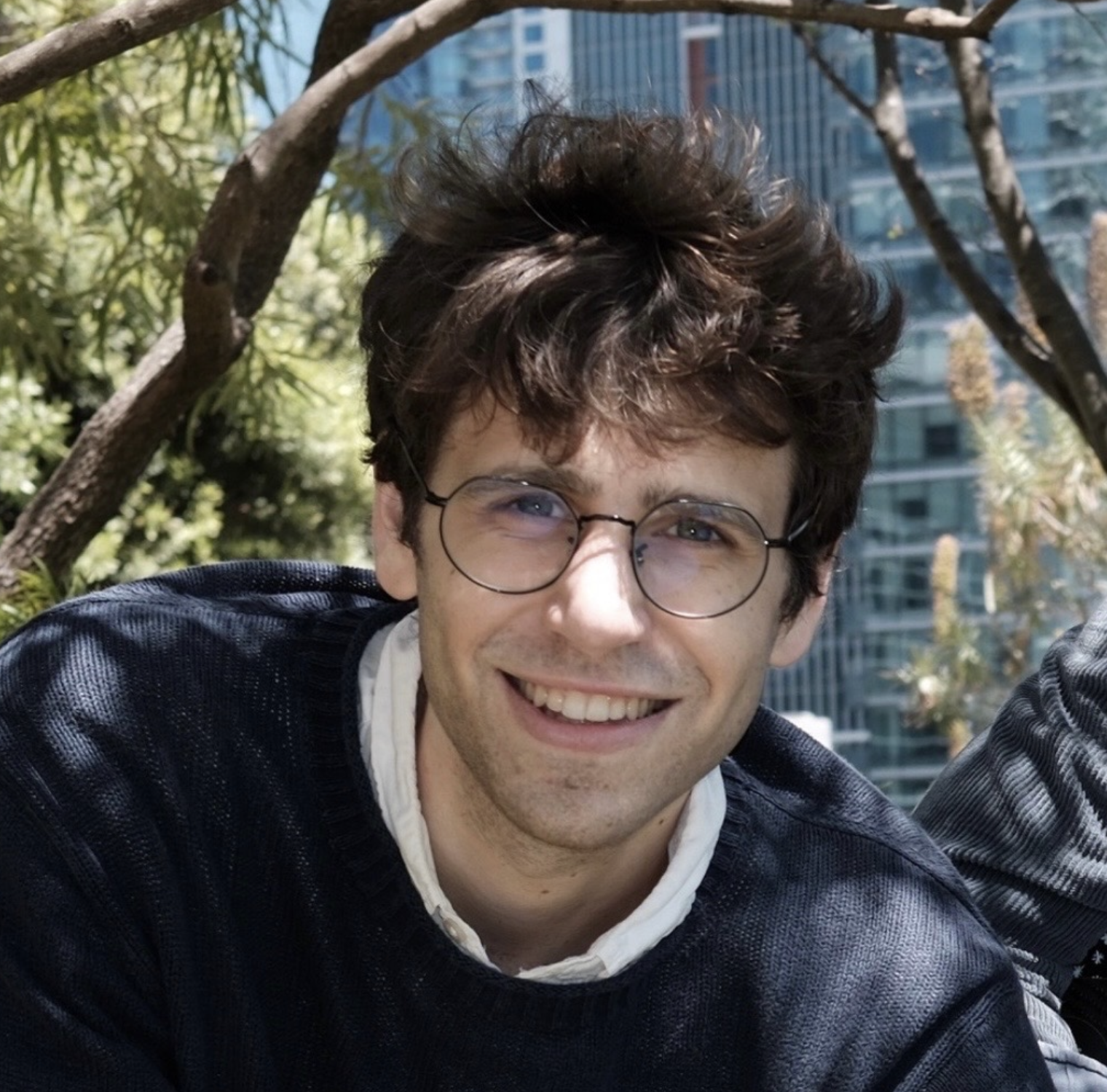
Ham Huang (website) My general interest of research is in the computational cognitive science of human aggregate minds. How do the cognitive properties of each individual human mind and brain create emergent properties of human interactions and group behaviors and how does information from group and interactive settings shape individual cognitive mechanisms? How does working collaboratively as a group make some computational problems easier and what new computational problems it uniquely imposes? |
 |
Addison Jadwin I'm interested in exploring questions related to how and when neural networks can exhibit computational properties typically attributed to symbolic systems. For instance, can neural networks learn to implement/approximate Bayesian inference or compositional structure? If so, what inductive biases lead to such behavior, and what mechanistic properties underlie its realization? A closely related question has to do with data efficiency: models that are biased towards symbolic structure might learn from fewer examples or exhibit human-like generalization patterns. In answering these questions, both theoretical analysis of neural networks as well as comparison to human behavioral data are of interest to me. |
 |
Alexander Ku (website) My research uses insights from cognitive science to inform artificial intelligence, and vice versa. I focus on three questions: (1) how intelligent systems combine familiar parts to solve unfamiliar problems, (2) how those parts are represented and what it costs to process them, and (3) how systems adapt to reduce that cost when solving recurring problems. I also explore how methodologies from cognitive science, particularly rational analysis, can provide a framework for evaluating the capabilities and limitations of frontier models. |
 |
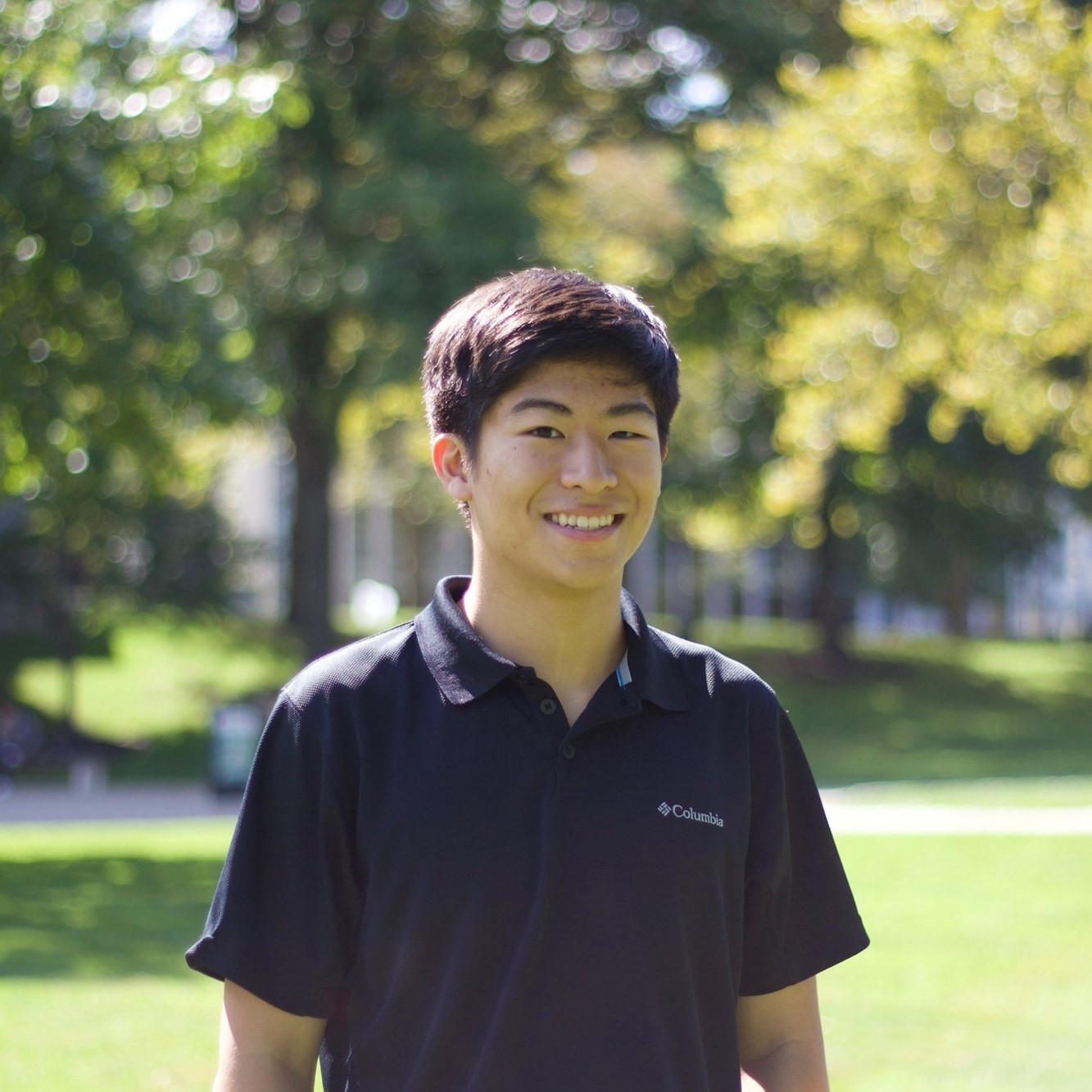
Kaiqu Liang (website) I work on human-AI alignment and safety, aiming to build trustworthy AI systems that collaborate effectively with humans. My research focuses on two directions: (1) identifying and mitigating emergent behaviors in large language models, and (2) developing intelligent agents that learn from both humans and their environments to act safely, beneficially, and in alignment with human needs. |
 |
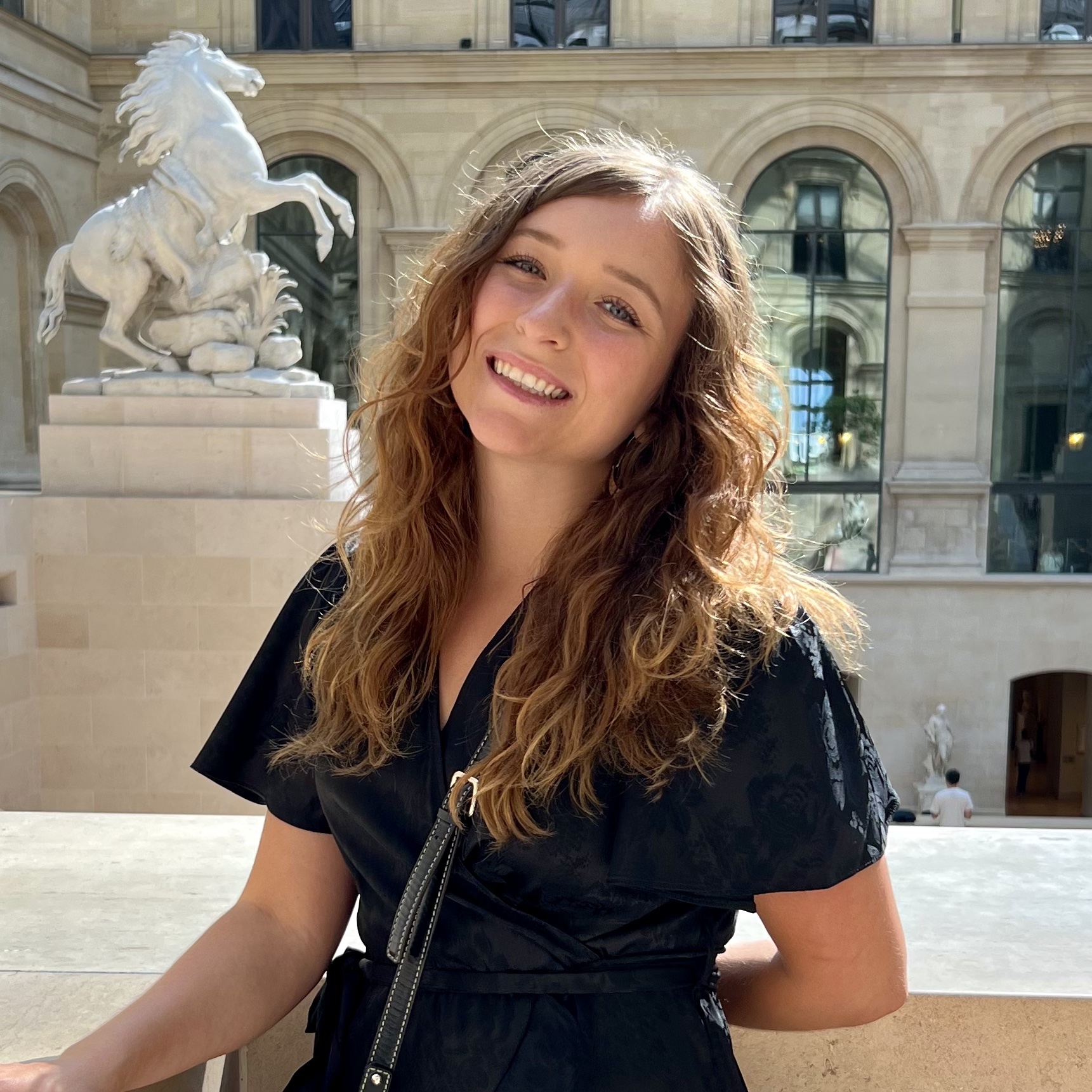
Ryan Liu (website) The central focus of my research is analyzing and exploring how large language models can transform how our society communicates and learns information. Within this, my two overarching agendas are 1. To create more efficient and effective means for us to communicate and learn, and 2. To ensure that our communication and learning methods remain genuine and authentic to our own experiences. |
 |
Elizabeth Mieczkowski (website) My research studies teams of multiple agents, whether human, artificial, or both. I develop formal frameworks, drawing on tools from distributed computing and queueing theory, that characterize the optimal strategies and fundamental trade-offs that emerge when agents work together, such as when to specialize, when to contribute versus stay idle, and what limits a team's ability to scale. I test these models in large-scale multi-player human experiments, LLM teams, and multi-agent reinforcement learning. Because the framework is mechanistic, it both generates testable predictions about teams and prescribes concrete improvements to their performance. |
 |
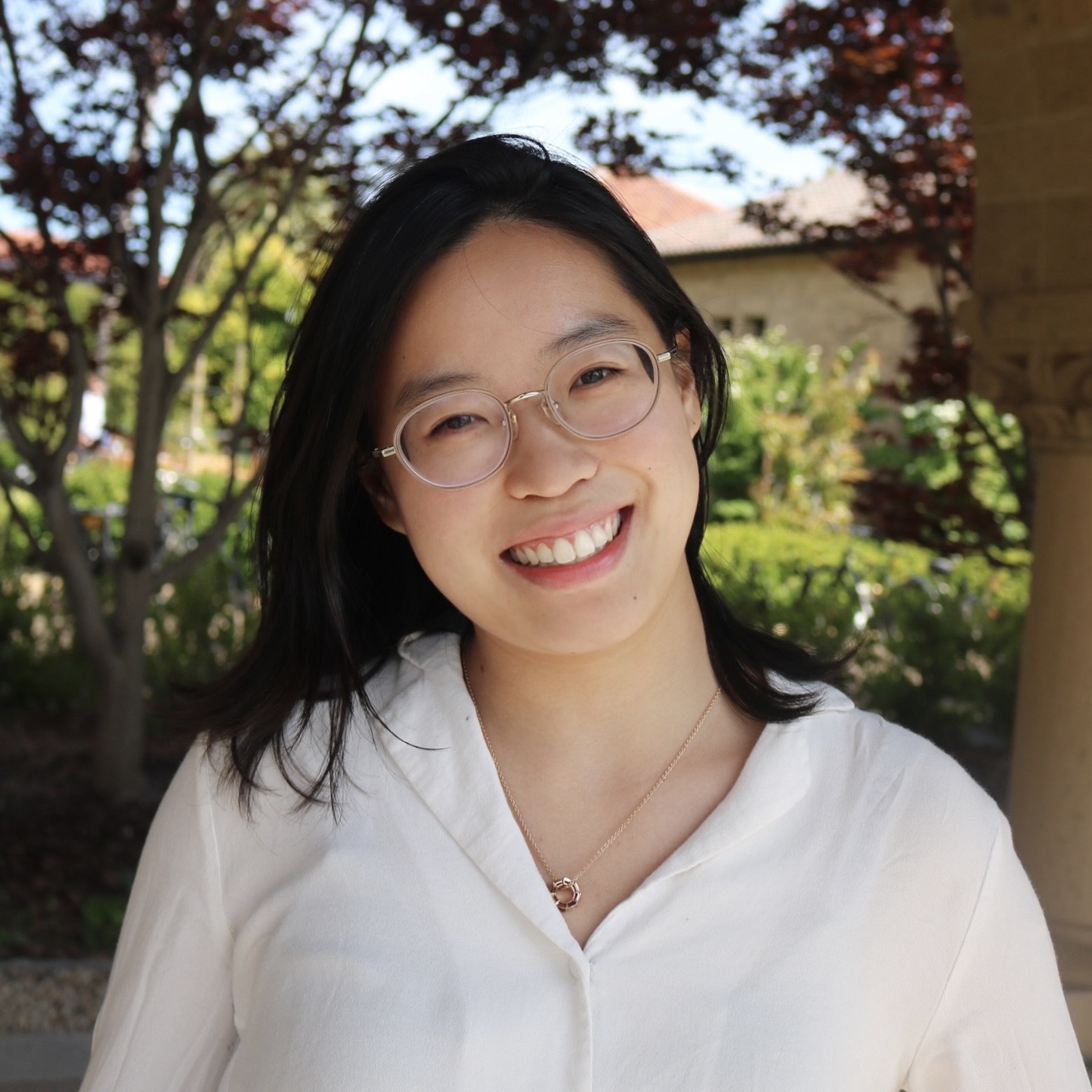
Sunayana Rane To create AI systems that behave in ways we expect, or even share our "values," we need alignment at a more fundamental level. I work primarily on conceptual alignment between AI models and human cognition. How can we train AI systems to understand concepts in a human-like way? At what level (e.g. representational, behavioral) is alignment necessary to produce the behavior we expect? Can we use cognition-inspired methods to better understand AI models by contextualizing their behavior with respect to child and human behavior? |
 |
Sunny Yu (website) I am interested in what intelligent systems can learn from human cognition and vice versa, viewing humans and AI systems as coupled learning systems. I study how models learn from human feedback, how cognitive principles such as metacognition and uncertainty representation inform AI systems, and how interacting with AI changes human cognition, beliefs, and decision making. Ultimately, I hope to understand the computational principles governing these human-AI feedback loops and use them to build aligned systems that learn effectively from people. |
 |
Phoebe Zeng (website) If math was erased from human memory, it seems likely we'd reinvent a similar mathematics. My research aims to interrogate the nature of this tight connection between human cognition and human mathematics, in hopes that it can teach us how to design artificial mathematicians. |
 |
Liyi Zhang (website) Deep learning is powerful, yet its reasoning process is elusive. Meanwhile, Bayesian probabilistic models provide an elegant way of explicitly summarizing human understanding and can join with deep learning in different ways. This observation motivates me to work on topics including but not limited to: using probabilistic models as a proxy to distill knowledge from and instill knowledge to deep learning models, evaluating and improving deep learning’s uncertainty estimation, and developing scalable and effective approximate inference methods for probabilistic models. |
| Lab Manager | |
 |
Kathryn McGregor I am interested in using insights from human behavior to better understand, use and build AI models. I am attracted to looking at these questions through the lenses of planning, decision making and collaboration. By distilling human processes into computational models, I hope to make more efficient and interpretable programs. |
| Undergraduate Students | |
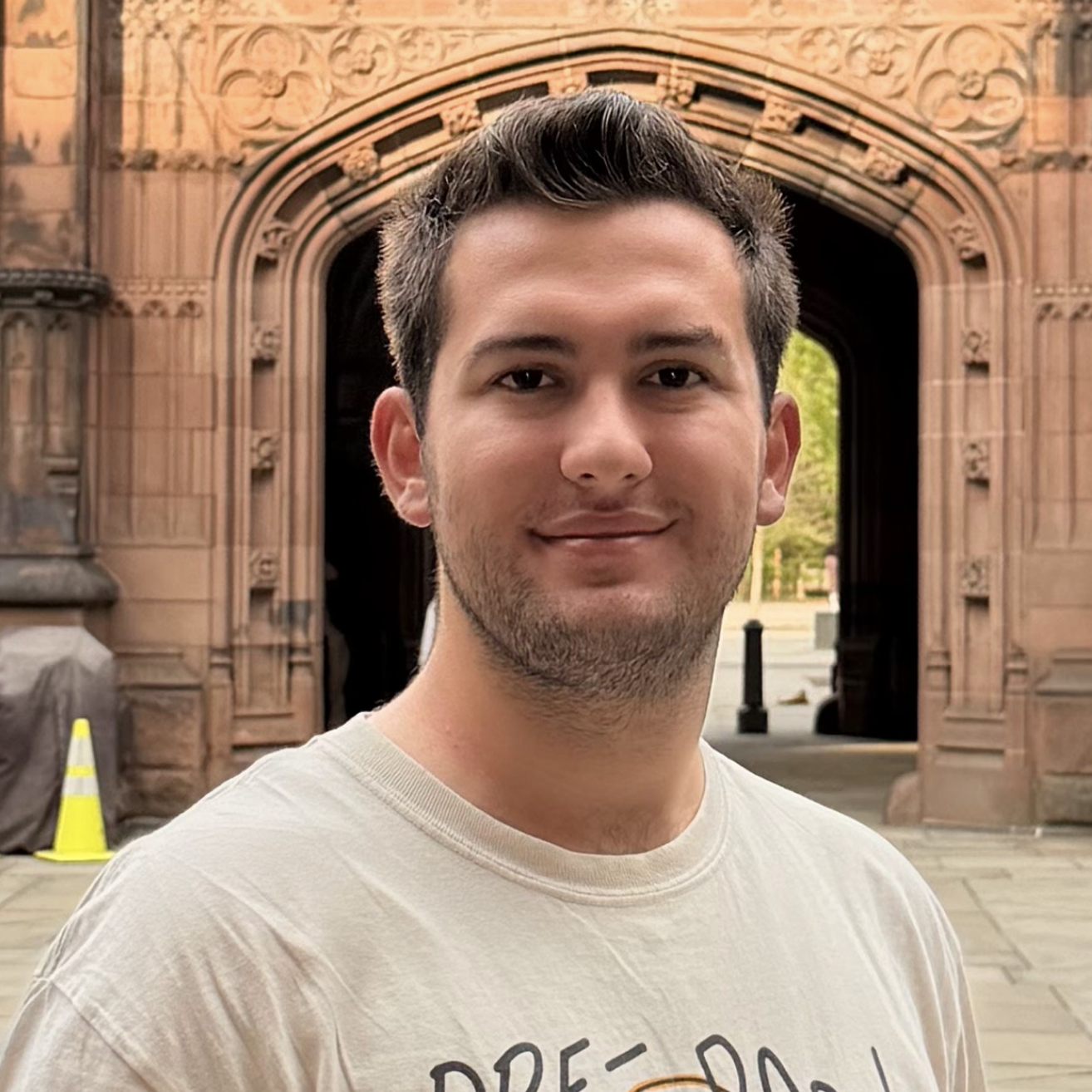 |
Jasin Cekinmez (website) I investigate how multimodal AI models perceive, reason, and generate. I build benchmarks to study how their behavior diverges from humans under ambiguity, incomplete information, and complex decision-making. I also study how choices across the training pipeline, from data curation to post-training, shape model behavior. More broadly, I want to explore the emerging capabilities and limitations of agentic AI systems. |
 |
Cheryl Li Human collaboration has driven the development of complex systems and innovations beyond what an individual is capable of, yet it often faces challenges in coordination. What guides decision-making in teams? How do humans adapt to unexpected situations when working together? I’m interested in applying cognitive models of collaboration to engineer multi-agent systems that are capable of autonomously working in groups in dynamic environments. |
 |
Arjun Menon I'm a strong believer that a neuromimetic approach to learning produces the best algorithmic results and I'm convinced that all the best advancements in research come from developing increasingly good approximators of human cognitive processes. I'm currently working with Dilip Arumugam to develop a general method of improving sample-efficiency in reinforcement-learning agents and decrease the number of exploratory episodes required to converge upon an optimal policy. |
 |
Addison Wu (website) I study the capabilities and blind spots of large foundation models, with a focus on risks that emerge not in obvious failures but in subtle, socially critical ways in relation to persuasion, fairness, and reliability. My work draws on core principles from cognitive science and psychology to shed light on these latent yet highly impactful failure modes in LLMs. Ultimately, I’m interested in designing AI that engages with people in socially meaningful ways to foster a beneficial and symbiotic relationship with humans. |
| Alumni and Long-Distance Affiliates | |||
 |  |  |  |
 |  |  |  |
 |  |  David Bourgin |  |
 |  |  |  |
 |  |  |  |
 |  |  |  |
 |  |  |  |
 |  |  |  |
 |  |  |  |
 |  |  |  |
 |  |  |  |
 |  |  |  |
 Ruaridh Mon-Williams |  |  |  Logan Nelson |
 |  |  |  |
 |  |  |  |
 | 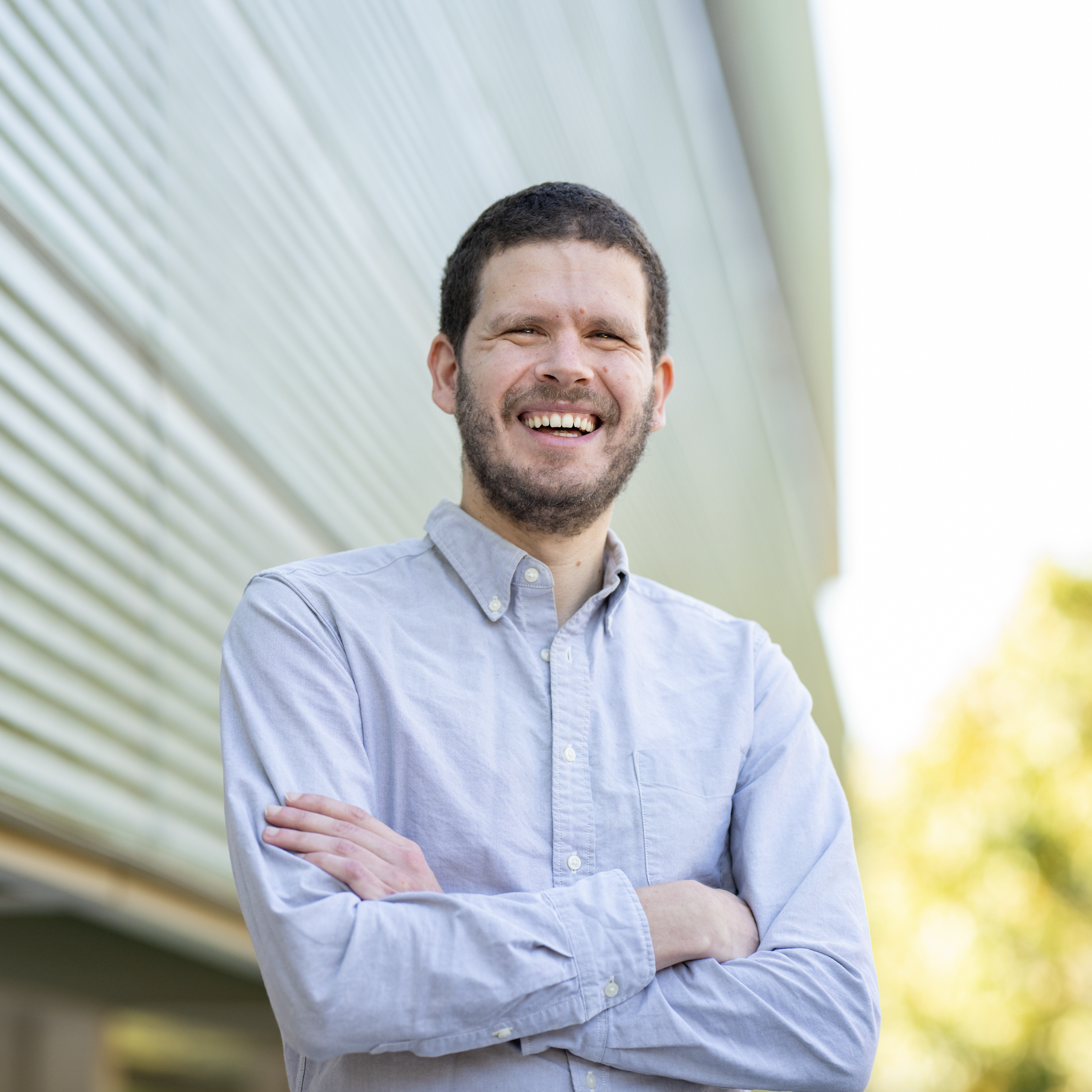 |  Nicolò De Sabbata |  |
 |  Benj Shapiro |  Lei Shi |  |
 |  | 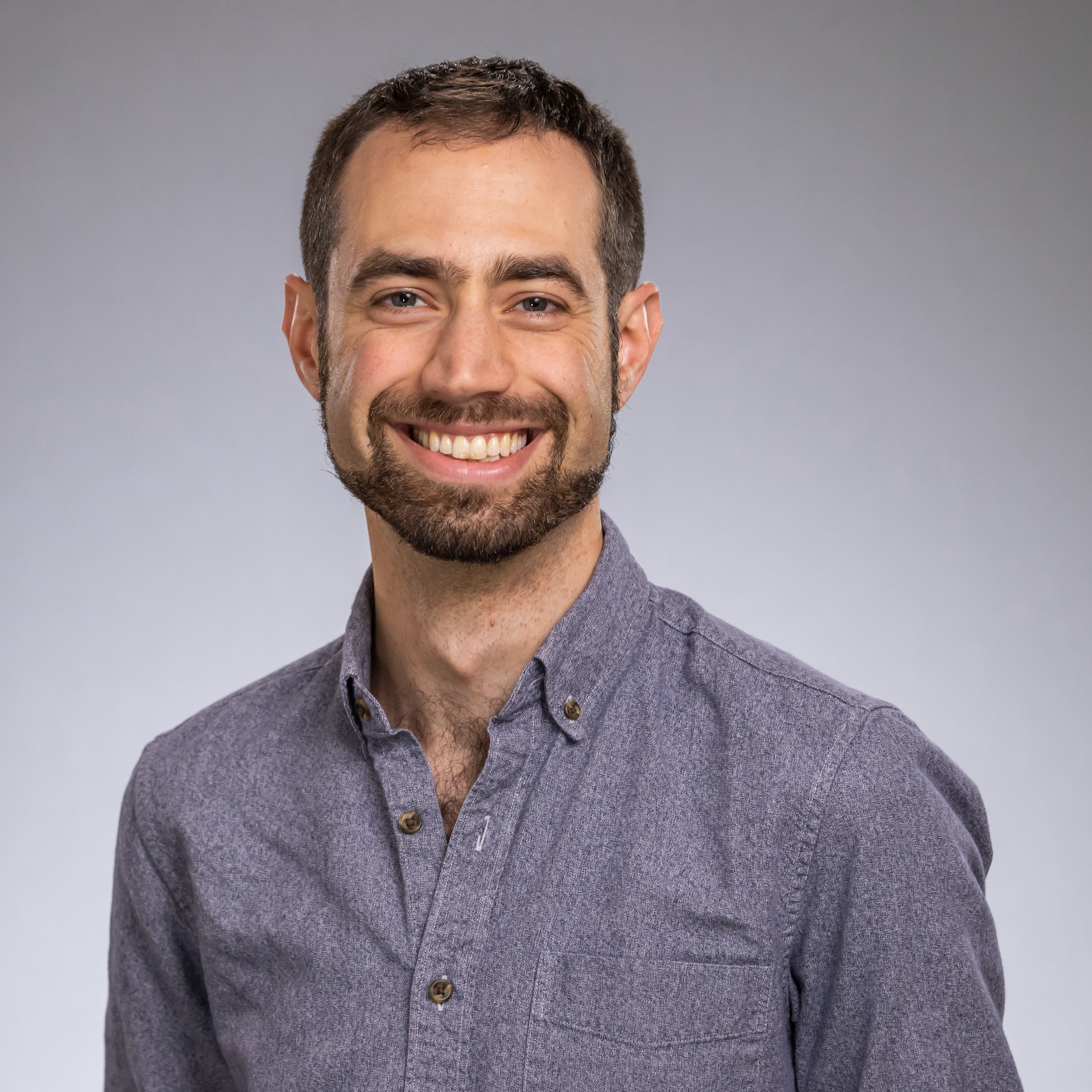 |  |
 |  Veniamin Veselovsky |  |  |
 |  |  Shelley Xia |  |
 |  Julia Ying |  |  |
 | |||